


Dec 18, 2025
Braces or Clear Aligners? Comparing Treatment Options for Every Age
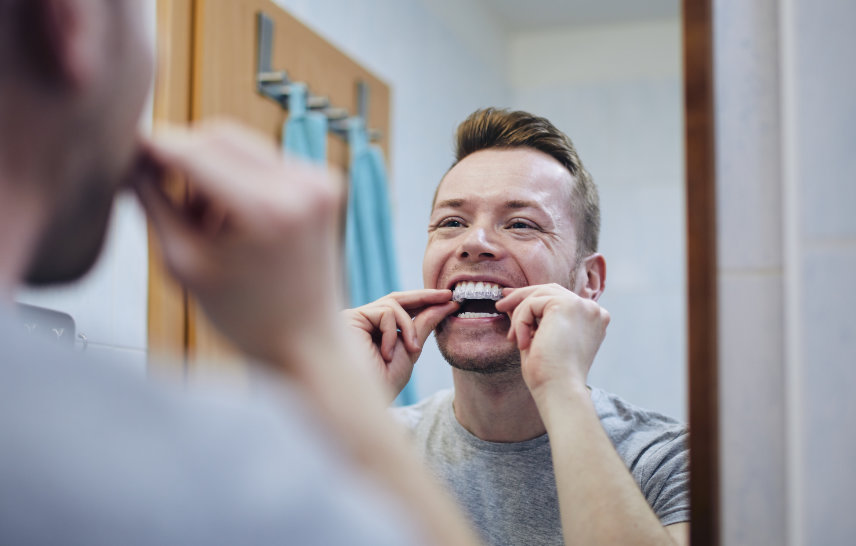
Choosing between braces and clear aligners can feel overwhelming at first. The good news is that both options can deliver a healthy, confident smile when planned and supervised by a Specialist Orthodontist. In this guide, you will learn how traditional braces, including ceramic and self ligating options, compare with clear aligners such as Invisalign® and Angel Aligners for children, teens and adults. We cover appearance, comfort, oral hygiene, lifestyle, costs and who each option suits best.
Braces vs clear aligners - what are the core differences?
Both braces and clear aligners move teeth gradually using controlled forces. The differences lie in how they are worn, how visible they are and what daily life feels like during treatment.
Visibility
- Ceramic braces are tooth coloured and less visible.
- Metal braces are noticeable.
- Clear aligners like Invisalign® and Angel Aligners are transparent trays that are discreet in most social settings.
Removability and routines
- Braces are fixed, so they work 24/7 without relying on daily compliance.
- Clear aligners are removable for meals and brushing, but must be worn 20 to 22 hours per day for best results.
Appointments and monitoring
- Braces require in clinic adjustments at set intervals.
- Clear aligners can pair well with Dental Monitoring, helping reduce some in person visits while maintaining clinician oversight.
Complexity
- Braces manage the full range of orthodontic cases, including complex tooth movements and bite corrections.
- Clear aligners handle many mild to complex cases, and sometimes a hybrid approach works best, such as a short braces phase followed by aligners.
Comparing comfort and appearance
Comfort
- Braces can rub cheeks or lips initially. Orthodontic wax helps, and most patients adapt within the first few weeks.
- Clear aligners are smooth, though you may feel pressure when switching to a new set.
- Angel Aligners use a 7+3 method, seven days of gentler movement followed by three days with a stiffer tray, balancing comfort with efficiency.
Appearance
- Ceramic braces blend with natural tooth colour, making them suitable for school or professional environments.
- Clear aligners are highly discreet and often go unnoticed in everyday interactions.
Speech
- Braces rarely affect speech beyond the first few days.
- Clear aligners may cause a mild lisp initially, which usually settles quickly.
Lifestyle and oral hygiene
Eating and drinking
- Braces - avoid hard, sticky or chewy foods that may damage brackets or wires. Cut fruit and crusty foods into small pieces.
- Aligners - remove trays before eating or drinking anything other than plain water, allowing more dietary flexibility for events and social occasions.
Brushing and flossing
- Braces require extra time and tools such as interdental brushes and floss threaders.
- Aligners allow normal brushing and flossing since trays are removed, but teeth should be cleaned before reinserting trays.
Sport and music
- Braces wearers should use a mouthguard for contact sport. Custom guards can be made to fit around brackets.
- Aligners can be removed for wind instruments or sport, then replaced afterwards.
Which is better for children, teens and adults?
Children
- Braces often suit younger patients as they are fixed and do not rely on daily discipline.
- Some children may be suitable for aligners if they can commit to wear time, depending on the case.
Teens
- Both options are effective. Image conscious teens may prefer clear aligners for school and social settings.
- Self ligating or ceramic braces suit teens who want reliability without managing removable trays.
Adults
- Clear aligners are popular in professional environments, especially when paired with Dental Monitoring for convenience.
- Braces remain an excellent option for complex movements and can be relatively discreet with ceramic brackets.
Cost considerations - how to compare fairly
Costs vary depending on complexity, treatment duration and inclusions. Always ask for a written quote that lists what is included, such as iTero 3D scans, refinements, retainers and remote monitoring. A higher quote with comprehensive inclusions may offer better value than a lower upfront price that excludes essential elements.
Flexible 0% payment plans may be available after assessment, with example repayments from around $75 per week, subject to eligibility.
Price alone should not drive your decision. Predictability, comfort and follow up care contribute significantly to overall value.
Evidence based considerations instead of scenarios
When choosing between braces and clear aligners, consider these general factors:
- Consistency - braces work continuously, while aligners rely on disciplined daily wear.
- Oral hygiene - aligners simplify brushing and flossing, while braces require extra care and tools.
- Case complexity - some movements are more predictable with fixed appliances; many cases suit aligners or staged treatment.
- Appointments - aligners can integrate with Dental Monitoring to reduce visits, while braces typically require regular adjustments.
- Aesthetics and lifestyle - ceramic braces lower visibility for fixed options; clear aligners offer discreet, removable flexibility.
Should you choose braces or clear aligners?
Both approaches deliver excellent results when tailored to your bite, lifestyle and goals. Consider the following:
- Can you or your child reliably wear aligners 20 to 22 hours per day?
- Do you prefer the “set and forget” reliability of braces?h
- Is low visibility important for work or school photos?
- Do you need flexibility for sport or musical instruments?
- Are there complex movements that may be faster with fixed appliances?
A Specialist Orthodontist can explain both paths clearly, including timelines, costs and daily expectations.
Why choose Coombe Orthodontics
At Coombe Orthodontics, you can compare braces and clear aligners in one place. We offer ceramic and self-ligating braces, Invisalign® and Angel Aligners. Your consultation includes an expert assessment, iTero 3D scanning for precise planning and guidance on payment options, including 0% plans for eligible patients. Remote progress checks via Dental Monitoring support busy schedules across the North Shore and Central Coast.
If you are considering fixed treatment, explore our braces page. Curious about aligners? Learn more about Angel Aligners and the 7+3 method.
Key takeaways
- Braces are fixed and reliable, suitable for all case types and younger patients.
- Clear aligners like Invisalign® and Angel Aligners are discreet, removable and convenient for compliant wearers.
- Ceramic and self ligating braces reduce visibility while offering the reliability of fixed appliances.
- Compare costs by reviewing inclusions, not just headline prices.
- The best option depends on your bite, lifestyle and goals.
Ready to find your best fit? Book a consultation with our Specialist Orthodontist at Coombe Orthodontics to compare braces and clear aligners side by side and start a plan designed for you.
Follow us!
Get social with Coombe Orthodontics




Follow Coombe Orthodontics