


Aug 15, 2026
Back-to-school braces or aligners: how iTero 3D scans and Dental Monitoring help teens

Term 3 in NSW often brings a new routine, winter sport, and HSC preparation. It is also a practical time to start orthodontic treatment because habits settle quickly and the end-of-year rush is still a way off. If you are weighing up ceramic braces, self-ligating braces, or clear aligners like Invisalign® and Angel Aligners™, modern planning and remote care can make school life easier.
Here is how Specialist Orthodontist assessments, iTero 3D scans, and Dental Monitoring help teens begin confidently, stay on track, and fit treatment around school, study, and sport.
What an iTero 3D scan shows at your assessment
A Specialist Orthodontist will examine teeth, gums, bite, jaw joints, and facial profile, then capture an iTero 3D scan. This replaces messy impressions and builds a precise digital map of the bite. From there, your clinician can:
- Visualise tooth positions from every angle, including how upper and lower teeth meet.
- Simulate proposed tooth movements across time and show a digital outcome preview.
- Compare braces and aligner pathways for your bite, discussing complexity, likely timeline ranges, lifestyle fit, and maintenance needs.
- Plan custom appliance options, including bracket positioning and archwire design based on the scan.
Seeing a realistic preview often makes the choice between ceramic braces, self-ligating braces, and clear aligners clearer, so families can make an informed decision before treatment begins.
Braces vs clear aligners at school
Both are valid and effective. The better option often comes down to visibility preferences, eating routines, cleaning habits, and appointment management.
Braces
- Pros: Always working, no risk of losing the appliance, excellent control for complex tooth movements, options include ceramic for a low-visibility look and self-ligating clips that can streamline some adjustments.
- Cons: Food choices need more care, brushing and flossing take longer, occasional rubbing until lips and cheeks adapt.
Clear aligners such as Invisalign® and Angel Aligners™
- Pros: Removable for meals and cleaning, discreet in photos and daily life, comfortable edges, suitable for many bite types. Angel Aligners™ use a 7+3 Method per stage to balance comfort and movement.
- Cons: Require consistent wear of about 20 to 22 hours per day, trays must be stored safely at school, and discipline is essential during exams and sport seasons.
If your teen is motivated to wear aligners consistently and keep them safe, aligners can be seamless. If you prefer a fit-and-forget approach with strict hygiene routines, braces may be better.
For more detail on fixed options, explore braces choices that suit busy terms on the Coombe Orthodontics site by visiting our Braces page. For those considering aligners, see our overview of Invisalign® treatment for lifestyle fit and planning.
How Dental Monitoring supports busy terms
Dental Monitoring is an app-based remote care platform. Teens capture quick smartphone scans at home, which your Specialist Orthodontist reviews between visits. For suitable cases, this can:
- Reduce some in-clinic appointments during school terms.
- Flag tracking issues early, so small tweaks happen before they become bigger problems.
- Keep momentum steady during HSC prep, sport finals, and travel.
A remote check-in might be scheduled weekly or periodically depending on treatment stage and clinical needs. In-person reviews still occur as needed, with clinician oversight at every step.
Can you start mid-term and keep up with sport?
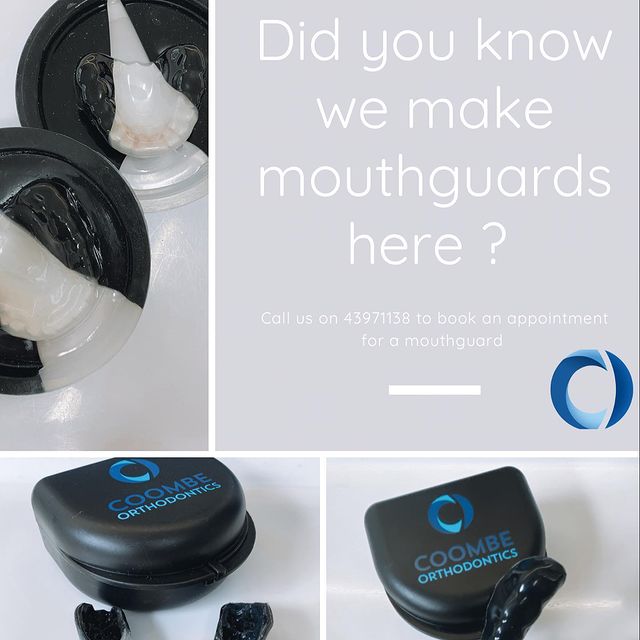
Yes, many teens start during Term 3. Same-day starts are available for eligible cases after assessment and iTero scanning. With braces, you can usually continue sport with a brace-friendly mouthguard. With aligners, remove the trays for contact sport and wear a well-fitted mouthguard. If a sport is high contact, ask about custom or brace-specific mouthguards for better protection and comfort.
Practical term-time tips
Braces lunchbox ideas
- Soft salads or rice salads, pasta, tender leftovers, soups in a thermos, soft sandwiches.
- Yoghurt, custard, soft fruit, cheese, muffins without sticky toppings, chocolate that melts easily.
- Avoid hard, sticky, or crunchy items like toffees, hard lollies, nuts, and popcorn kernels.
Aligner wear-time habits
- Aim for 20 to 22 hours daily. Remove only for meals and cleaning.
- Rinse and brush before reseating. Keep a hard case in the school bag, and do not wrap aligners in tissues.
- Keep the previous set as a backup when advised, and do not skip ahead without approval.
Mouthguards and sport
- For braces, use a mouthguard designed to accommodate brackets.
- For aligners, remove aligners and wear a well-fitted mouthguard during contact sport.
- Store aligners safely in a case on the sidelines and reseat them straight after.
Treatment options tailored to teens
- Ceramic braces: tooth-coloured brackets to soften visibility in photos and daily life.
- Self-ligating braces: clip mechanisms that can streamline some adjustments and support precise tooth positioning.
- Clear aligners: Invisalign® and Angel Aligners™ with Specialist Orthodontist planning, attachments if needed, and Dental Monitoring support for suitable cases.
If you are near the Central Coast or Newcastle, meet a Specialist Orthodontist who plans around school and sport. Learn more about Coombe Orthodontics or find our Toukley clinic details if that is your closest location.
FAQ
How do iTero 3D scans help plan orthodontic treatment for teens?
They create an accurate digital model of the teeth and bite, support simulations of tooth movement, assist with custom planning for braces and aligners, and provide a visual preview so families can choose confidently.
What are the pros and cons of braces vs clear aligners for school life?
Braces work continuously and suit complex cases but need careful food choices and extra cleaning time. Clear aligners are discreet and removable for meals and brushing, but require reliable wear of about 20 to 22 hours daily and safe storage during school and sport.
How does Dental Monitoring reduce in-clinic visits during busy terms?
Teens send smartphone scans for clinician review. For appropriate cases, this can reduce some visits, catch tracking issues early, and keep treatment moving during exams and sport seasons.
Can I start treatment during the school term and still keep up with sport?
Yes. Many start in Term 3. Use a brace-friendly mouthguard with braces; remove aligners for contact sport and wear a fitted mouthguard. Same-day starts are available for eligible cases after assessment.
Key takeaways and next steps
- iTero 3D scanning helps you see likely outcomes before starting.
- Braces and clear aligners both work well; the best choice depends on lifestyle and clinical needs.
- Dental Monitoring can reduce some clinic visits and support steady progress during school and HSC prep.
- Sport is compatible with both options when you use the right mouthguard and follow wear-time or care guidance.
To explore options with a Specialist Orthodontist and see a digital preview of your teen's smile, book an assessment. If you are comparing braces options across regions, our guides for braces and Invisalign® treatment are a helpful place to begin.
Follow us!
Get social with Coombe Orthodontics



Follow Coombe Orthodontics